📘 Summary
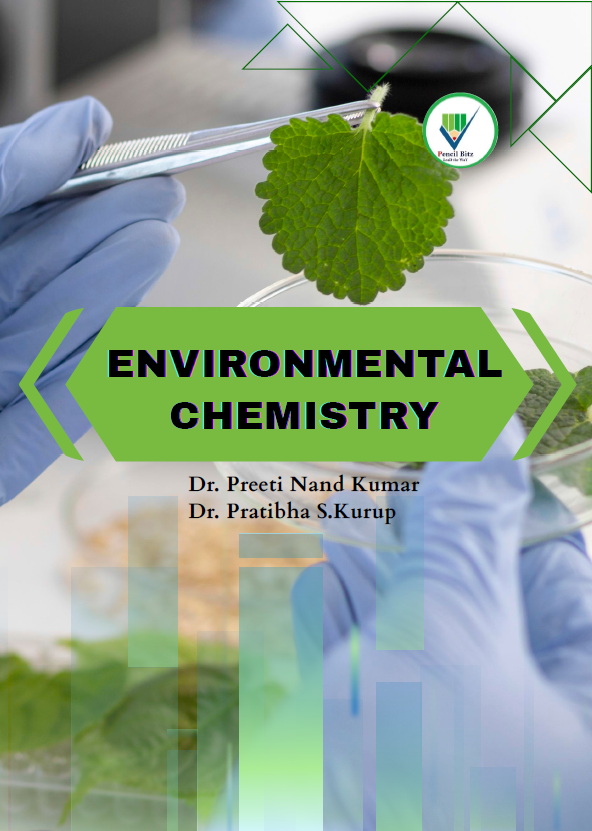
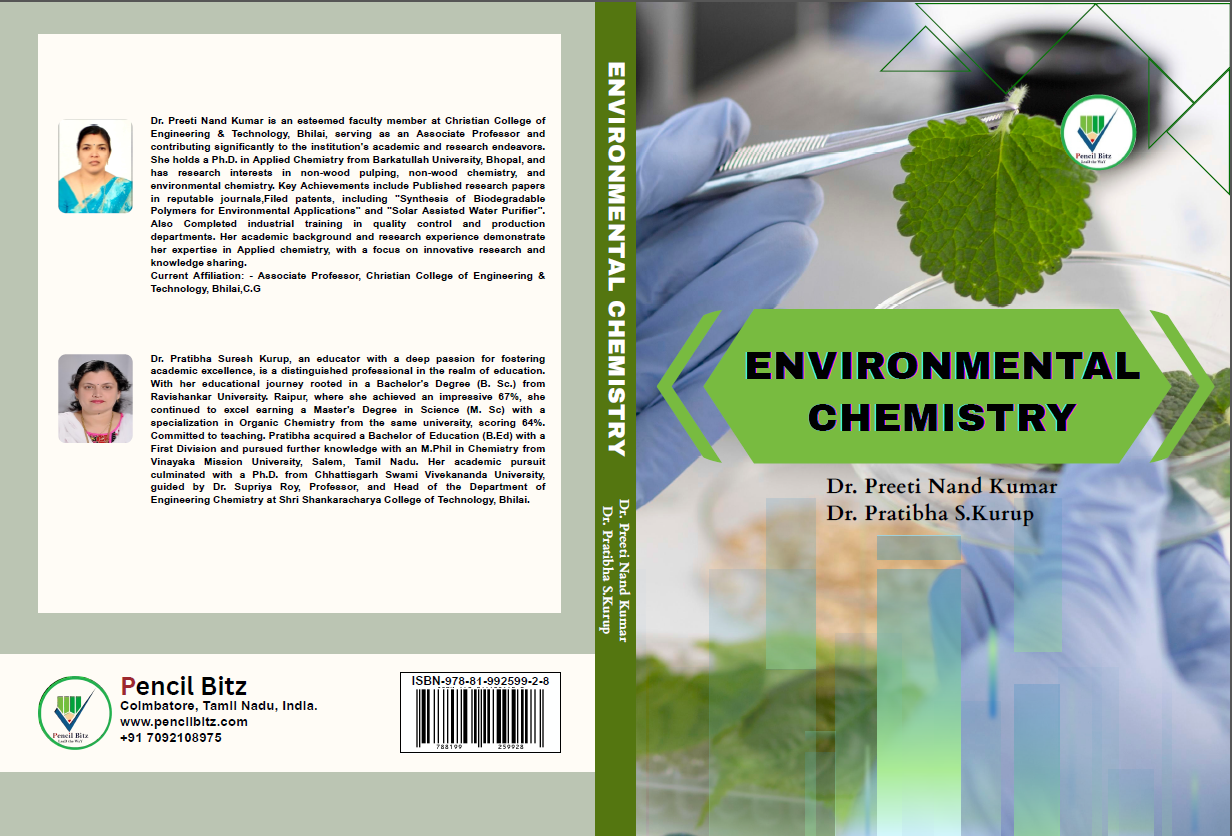
Environmental chemistry studies how natural and human-made chemicals interact with air, water, soil, and living organisms. It investigates pollutant sources, fate, transport, and transformation in ecosystems, and assesses their impacts on health and the environment. Analytical techniques reveal concentrations, reactions, and pathways from emissions to exposure. This field informs remediation, policy, and sustainable practices to protect air and water quality. It bridges chemistry, ecology, and public health through interdisciplinary research. Understanding environmental chemistry is essential for addressing pollution, climate change, and resource stewardship.
Product Details
- Publisher: Pencil Bitz Publications
- Edition: 1st Edition
- Language: English
- Binding: paperback
- Pages:215
- Dimensions: 24 x 18 x 1.5 cm
- Weight: 320g